
Introduction
Starting a vending machine business looks simple: buy a few machines, fill them with snacks or drinks, and let the cash roll in. But in reality, running a profitable vending operation in the U.S. takes strategy, planning, and the right technology.
The vending industry has evolved fast. Cashless payments, AI-powered machines, and changing consumer preferences are reshaping how vending works in 2025. Whether you’re thinking about a side hustle or building a full-time business, understanding the market before investing your first dollar can save you time and money.
Here’s everything you should know before you start a vending machine business, straight from industry experts who help companies run successful vending setups across Texas and the U.S.
Is the Vending Machine Business Still Profitable in 2025?
Absolutely, but only if you treat it like a real business, not a side hobby.
The U.S. vending industry has seen steady growth, generating over $7 billion annually, driven by changing consumer habits and cashless technology adoption. People are buying more snacks, drinks, and quick meals on the go, and smart vending operators are earning consistent income.
However, the profit depends heavily on where your machines are placed and how well they’re maintained. The average machine in a good location can make between $75 to $300 per week, while poorly managed ones might barely break even.
Key Profit Factors to Consider
- Location Quality: Offices, schools, hospitals, and busy public areas typically perform best.
- Product Mix: Healthier snacks, bottled water, and energy drinks are trending across U.S. markets.
- Cashless Payments: Over 70% of vending transactions in 2025 are now digital, and credit cards and mobile payments are no longer optional.
- Maintenance & Refill Frequency: Clean, well-stocked machines encourage repeat purchases and build customer trust.
In short, vending remains a profitable and scalable business in 2025, as long as you combine modern convenience with smart management.
At TPMK Vending, we help entrepreneurs and businesses across Texas and the U.S. get started with smart vending solutions designed for today’s market, from machine selection to placement and maintenance strategies.
How Much Does It Cost to Start a Vending Machine Business?
Starting a vending machine business in the U.S. is one of the most flexible ways to enter entrepreneurship; it doesn’t demand a storefront, a team, or a huge upfront investment. But understanding the real cost before you dive in can save you from overspending or underestimating your needs.
A vending machine business in the U.S. can be started with as little as $3,000, but if you want faster growth and smart systems, aim for $7,000–$10,000. Think of it as a one-time setup for a long-term income stream that grows as you add more machines and better locations.
1. Initial Machine Cost
The biggest expense is your machine itself.
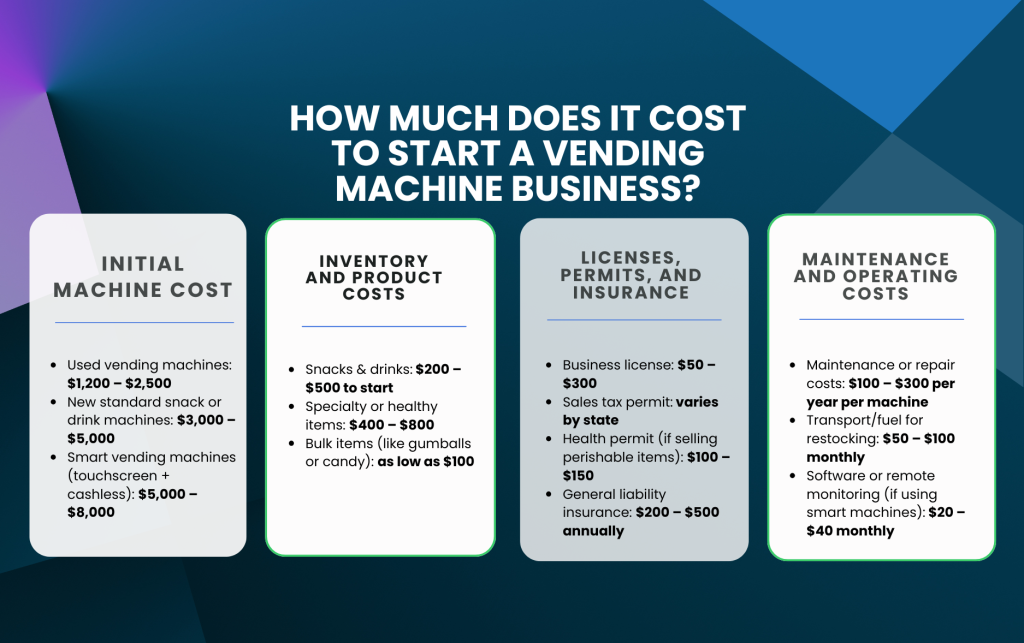
Depending on the type and features, here’s what you can expect:
- Used vending machines: $1,200 – $2,500
- New standard snack or drink machines: $3,000 – $5,000
- Smart vending machines (touchscreen + cashless): $5,000 – $8,000
Buying used machines can lower startup costs, but make sure they’re compatible with modern cashless systems; otherwise, you’ll lose sales.
2. Inventory and Product Costs
Your initial stock depends on the products you plan to sell.
- Snacks & drinks: $200 – $500 to start
- Specialty or healthy items: $400 – $800
- Bulk items (like gumballs or candy): as low as $100
The best advice is to start small, track which products sell fast, and restock strategically. Profit margins often range between 50% to 80% per item.
3. Location Fees or Commission
If you are starting your vending machine business on someone else’s property, like a gym, office, or school, you’ll often pay a location commission (usually 10% to 25% of revenue). This is fair since property owners give you access to consistent foot traffic.
Negotiation tip: Offer to keep machines clean, stocked, and well-maintained to justify lower commission rates.
4. Licenses, Permits, and Insurance
Local business requirements vary by state, but expect:
- Business license: $50 – $300
- Sales tax permit: varies by state
- Health permit (if selling perishable items): $100 – $150
- General liability insurance: $200 – $500 annually
Having these in place not only keeps you compliant but also boosts trust with property owners.
5. Maintenance and Operating Costs
Vending machines aren’t completely “hands-off.” You’ll need to budget for:
- Maintenance or repair costs: $100 – $300 per year per machine
- Transport/fuel for restocking: $50 – $100 monthly
- Software or remote monitoring (if using smart machines): $20 – $40 monthly
These small expenses can add up, so plan your profit margins accordingly.
Choose the Right Type of Vending Machine
Your machine choice defines your customer base and earning potential.
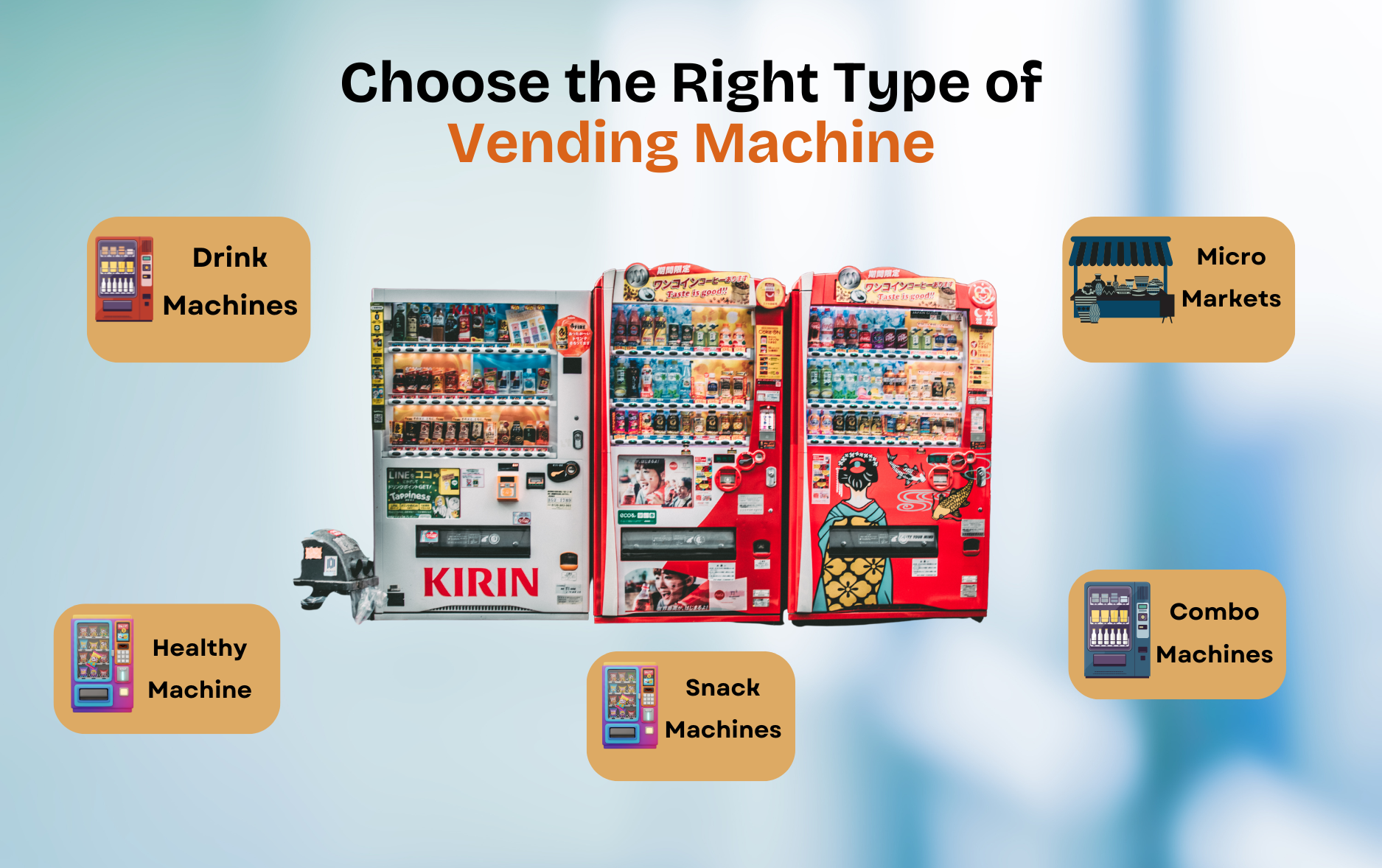
- Snack Machines: Still the classic favorite for offices and schools.
- Drink Machines: High turnover, especially in gyms and public spaces.
- Combo Machines: Offer both snacks and beverages, great for smaller areas.
- Healthy Vending Machines: Perfect for modern workplaces, universities, and hospitals.
- Micro Markets: Self-checkout kiosks that function like mini convenience stores, the fastest-growing segment in 2025.
Which Vending Machine Type Brings the Best Profit Margins?
Combination and healthy vending machines are leading the way because they cater to changing tastes. Customers now expect variety and wellness options, not just chips and soda.
Investing in smart vending machines that accept cards, mobile wallets, or even biometric payments can instantly boost revenue and reduce downtime.
Product Selection: Know What People Actually Buy
The U.S. vending audience is no longer satisfied with just candy bars and cola. They want variety, and that’s where smart operators win.
| Category | Details |
| Top Sellers in 2025 | Bottled water, energy drinks, protein snacks, chips, cookies, and meal bars. |
| Emerging Trends | Low-sugar snacks, plant-based options, cold coffee, and locally sourced products. |
| Regional Insight (Texas & Southern States) | Cold drinks and spicy snacks perform exceptionally well year-round due to warmer climates and regional preferences. |
Keep testing. The best vending machine businesses use sales data and inventory tracking to find what works instead of guessing.
Understanding Consumer Behavior
Before stocking your machine, consider:
- Demographics: Younger audiences buy more energy drinks and snacks. Office workers prefer coffee, nuts, and light snacks.
- Seasonal Trends: Cold beverages sell better in summer, while coffee and hot snacks rise in winter.
- Data Tracking: Smart machines can track product performance, showing which items sell out fastest. This helps you restock efficiently and reduce waste.
Finding the Perfect Location, The #1 Success Factor
You can buy the latest vending machine, fill it with trending products, and still fail because of one mistake: a bad location. Location is the single biggest factor that separates profitable vending operators from those who barely break even. Let’s explore how to find the right spot, what to avoid, and how to negotiate placement successfully.
1. What Makes a Location Profitable
The perfect location isn’t just about high foot traffic; it’s about consistent and relevant traffic. The most successful vending operators in the U.S. focus on three elements:
- Visibility: The machine should be easy to see and access, not hidden in a corner.
- Need: People must feel a reason to buy on the spot (thirst, hunger, convenience).
- Repeat Users: Office buildings or schools bring the same crowd daily, ensuring recurring sales.
2. Top Performing Locations in the U.S.
Here are some of the best-performing vending spots according to recent U.S. vending machine business trends:
| Location Type | Why It Works | Best-Selling Products |
| Office Buildings | Stable, repeat audience | Coffee, water, protein snacks |
| Schools & Colleges | Constant traffic, impulse buys | Chips, granola bars, juice |
| Gyms & Fitness Centers | Health-conscious crowd | Energy drinks, protein bars |
| Hospitals & Clinics | 24/7 access | Water, snacks, coffee |
| Apartment Complexes | Convenience-driven | Drinks, light snacks |
| Transportation Hubs (Bus/Train) | Continuous foot traffic | Energy drinks, packaged foods |
The right location can make or break your vending machine business. Don’t rush this step; study your area, visit potential sites, and understand who you’ll be serving. Your machine’s success depends less on luck and more on strategic placement.
Legal, Permits, and Insurance Requirements
Before you place your first vending machine, it’s essential to understand the legal side of the business. While vending is a relatively low-barrier industry, every U.S. state has its own rules for operating legally. Ignoring these can lead to fines or having your machines removed, which can cost far more than the small effort it takes to stay compliant.
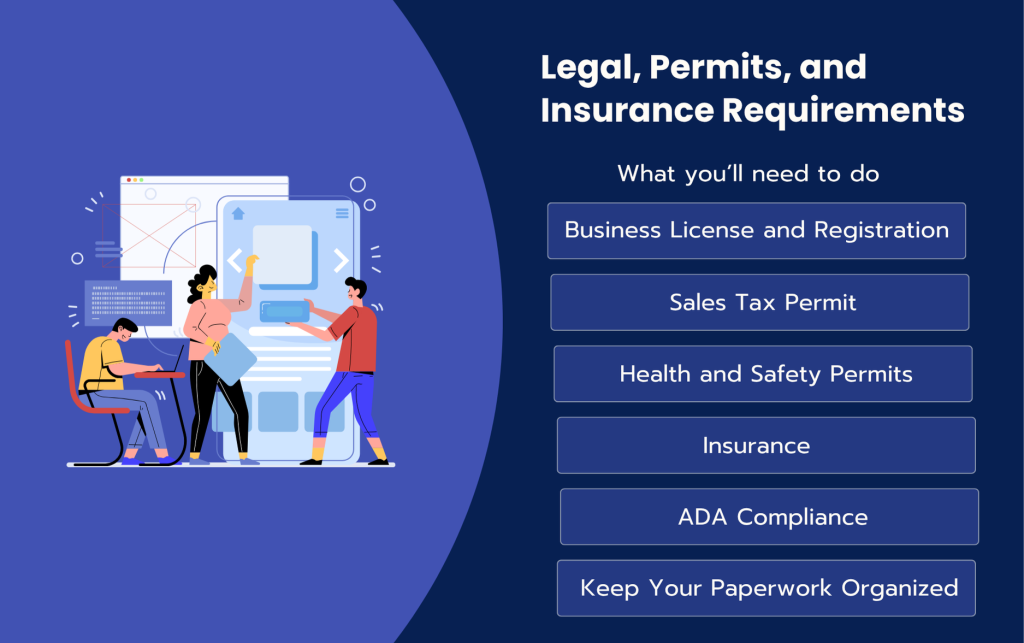
1. Business License and Registration
Almost every U.S. city or county requires a basic business license to operate vending machines. This officially registers your vending machine business as a legal entity, allowing you to collect and report taxes.
What you’ll need to do:
- Apply for a business license through your city or county office
- Choose your business structure: LLC, sole proprietorship, or corporation
- Keep a copy of your license on file for inspections or partnerships
2. Sales Tax Permit
Because you’re selling tangible goods, most states require a sales tax permit (also known as a resale certificate). This allows you to collect sales tax from customers and pay it to the state.
- Apply through your state’s Department of Revenue website
- Display your permit number if required
- File regular sales tax returns (monthly or quarterly)
Failing to register for sales tax can result in penalties, even for a small vending machine business.
3. Health and Safety Permits
If your machines sell food, snacks, or drinks, you may also need a health department permit. This is especially true if you handle perishable items like sandwiches or dairy-based drinks. Requirements vary by state, but typically include:
- Food handling compliance
- Proper labeling and temperature control (for refrigerated machines)
- Occasional inspections
For example, states like California, Texas, and Florida have stricter food vending regulations, while others are more flexible.
4. Insurance, Protecting Your Investment
A vending machine may seem small, but it’s still a business asset. Insurance helps you recover losses from theft, vandalism, or accidents. Recommended coverage includes:
- General liability insurance: Covers injury or property damage claims
- Equipment insurance: Protects your machines from fire, vandalism, or theft
- Product liability (optional): In case someone gets sick from a product
5. ADA Compliance
Modern U.S. vending machines must follow ADA (Americans with Disabilities Act) guidelines, meaning:
- Controls must be reachable for wheelchair users
- Displays must be visible and accessible
If you’re purchasing new machines, ensure the manufacturer confirms ADA compliance. This not only avoids penalties but also expands your accessibility to more customers.
6. Keep Your Paperwork Organized
It may sound simple, but disorganization is one of the top mistakes new operators make. Maintain a dedicated file (digital or physical) for:
- Licenses and permits
- Tax records and receipts
- Maintenance logs and insurance policies
This keeps your business ready for audits, inspections, or partnership opportunities.
How to Grow and Scale Your Vending Machine Business
Wondering how to grow your vending machine business from one machine to a full-scale operation? Here’s how successful U.S. operators expand smartly and sustainably.
1. From One Machine to Ten and Beyond
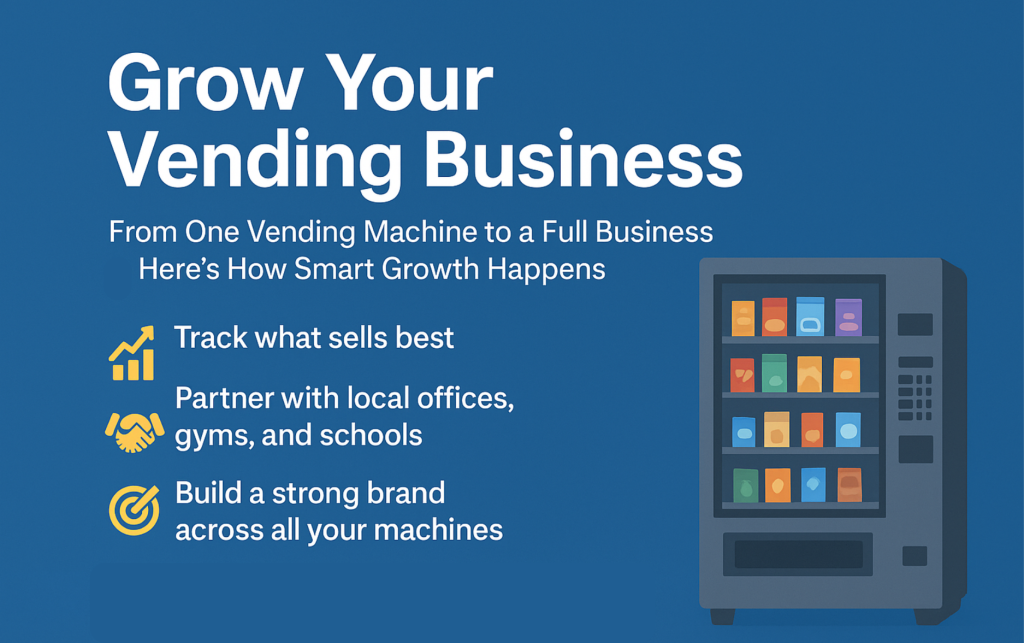
Scaling starts with understanding what works. Track your top-performing locations and products, then replicate that success. Instead of adding machines randomly, focus on areas where sales data shows high demand. That’s the most efficient way to scale vending operations while keeping costs low.
2. Partnering with Local Businesses and Schools
Strategic partnerships are the secret to steady growth. Approach offices, gyms, schools, and hospitals, any place with consistent foot traffic. Offer revenue-sharing or convenience-based deals. Building local relationships not only opens doors for vending route expansion but also strengthens your community presence.
3. Branding Your Vending Service
As your vending network grows, so should your brand. Use consistent visuals, logos, and messaging across all your machines. A strong brand builds trust, attracts better placement opportunities, and sets you apart from competitors. Remember, branding turns a simple vending setup into a professional business identity. At Texas PMK Vending Hub, we help entrepreneurs grow their vending machine business with smart strategies, cutting-edge technology, and local market expertise.
4. Partnering with the Right Vendor or Operator
Even experienced entrepreneurs benefit from the right partner. Managing routes, sourcing modern machines, and ensuring uptime can be complex without expert help. That’s where Texas PMK Vending Hub steps in. We specialize in modern, cashless, and reliable vending solutions tailored to your business goals. Whether you’re starting your first machine or planning a full vending network, our team provides complete setup, servicing, and operational support, so you can focus on growth, not maintenance.
Conclusion: Build a Profitable Vending Machine Business with the Right Partner
Starting a vending machine business in 2025 can be highly profitable, but only with the right plan and support. Even experienced entrepreneurs benefit from a trusted partner to manage routes, source modern machines, and ensure uptime.
Texas PMK Vending Hub specializes in modern, cashless, and reliable vending solutions. From your first machine to a full network, we provide complete setup, servicing, and operational support so you can focus on growth, not maintenance.
Ready to start your vending journey the smart way? Contact Texas PMK Vending Hub today to find high-performing locations and build a business that runs smoothly and profitably.