
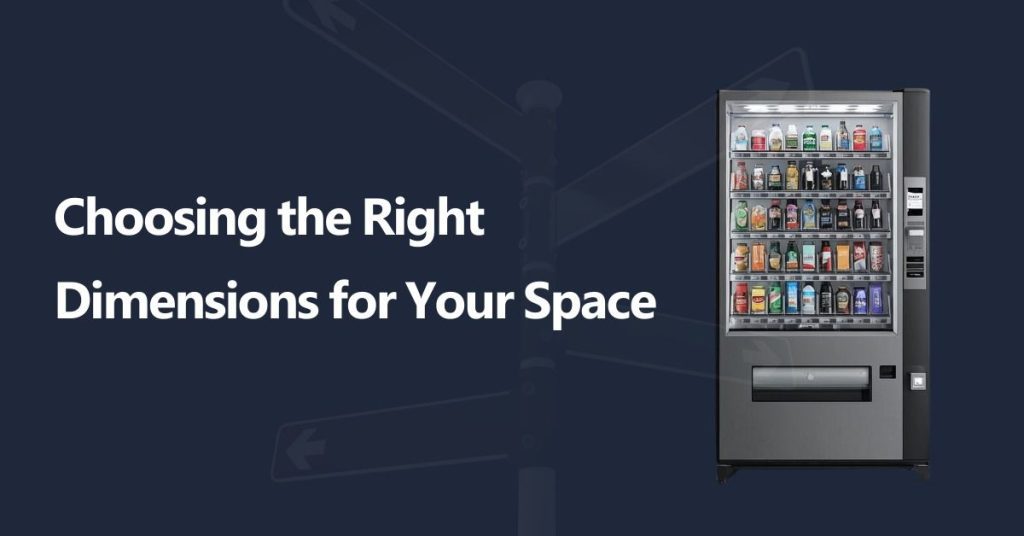
Understanding vending machine size specifications proves essential for successful installations across diverse environments. Vending machines vary substantially in dimensions, capacity, and spatial requirements affecting placement feasibility and operational efficiency. Consequently, comprehensive size knowledge enables informed decisions preventing costly mistakes including inadequate clearances, accessibility violations, or unsuitable equipment selections.
Proper vending machine sizing balances capacity requirements against available space constraints. Oversized machines waste valuable floor space while undersized options prove inadequate for user demand. Additionally, delivery logistics, doorway dimensions, and electrical access significantly affect practical installations. This comprehensive guide examines vending machine dimensions, space requirements, and selection criteria helping you identify optimal equipment matching specific location characteristics.
Understanding Standard Vending Machine Dimensions
Vending machines span diverse size categories from compact countertop units through large combination systems. Understanding typical dimensions across equipment types guides realistic space planning and appropriate selections.
Full-Size Snack Vending Machines Standard snack vending machines typically measure 183-213cm height, 91-102cm width, and 81-91cm depth. These substantial dimensions accommodate extensive product selections ranging 30-45 selections. Weight ranges 270-360kg requiring reinforced flooring in some installations. Additionally, glass-front designs add minimal depth compared to traditional metal exteriors.
Capacity specifications indicate product holding abilities. Standard snack machines hold 300-600 individual items depending on configuration. This substantial inventory supports high-traffic locations minimizing restocking frequency. However, capacity directly correlates with machine dimensions and weight.
Modern slim-profile snack machines reduce depth to 71-76cm maintaining height and width standards. These space-saving designs suit locations with depth constraints. However, reduced depth decreases capacity typically accommodating 250-400 items. Therefore, capacity requirements must balance against space availability.
Beverage Vending Machine Sizes
Cold beverage machines demonstrate similar height (183-213cm) as snack machines though widths vary substantially. Standard can/bottle machines measure 91-102cm width and 86-91cm depth. However, specialized configurations including wide-body designs reach 122-137cm widths accommodating increased capacity.
Beverage machine capacity specifications indicate number of selections and total items. Standard machines provide 6-10 selections holding 300-500 cans or bottles. Wide-body alternatives offer 10-16 selections with 500-800+ item capacities. This increased capacity suits high-volume locations though requiring additional space.
Glass-front merchandisers providing beverage visibility typically measure 183-203cm height, 76-86cm width, and 71-81cm depth. These attractively display products encouraging purchases. However, refrigeration requirements and glass construction add weight ranging 250-340kg.
Professional our machines collection demonstrates diverse vending equipment sizes addressing varying space constraints and capacity requirements across Texas locations.
| Machine Type | Typical Height | Typical Width | Typical Depth | Weight Range | Capacity |
| Snack Machine | 183-213cm | 91-102cm | 81-91cm | 270-360kg | 300-600 items |
| Beverage Machine | 183-213cm | 91-122cm | 86-91cm | 295-385kg | 300-800 items |
| Combo Machine | 183-213cm | 122-152cm | 86-97cm | 450-635kg | 500-1000+ items |
| Coffee Machine | 168-183cm | 76-91cm | 71-86cm | 135-225kg | Variable |
| Countertop Unit | 51-81cm | 46-71cm | 51-66cm | 34-68kg | 50-150 items |
Space Requirements and Clearances
Successful vending installations require understanding comprehensive space requirements extending beyond machine footprints. Clearances, accessibility compliance, and operational considerations significantly affect practical space needs.
ADA Compliance Requirements Americans with Disabilities Act (ADA) and equivalent regulations mandate accessibility standards. Forward reach requirements specify maximum 122cm heights for operable controls including payment systems and selection buttons. Side reach allowances extend to 137cm for unobstructed access.
Clear floor space requirements mandate minimum 76cm x 122cm unobstructed areas directly before machines. This clearance enables wheelchair users approaching and operating equipment. Additionally, maneuvering clearances ensure users can position appropriately before machines.
Pathway widths leading to vending installations must maintain minimum 91cm clearances. Narrower passages prove non-compliant restricting accessibility. Furthermore, protruding objects including vending machines cannot reduce pathway clearances below mandated minimums. Therefore, recessed installations or adequate corridor widths prove necessary.
Operational Clearances
Restocking access requires adequate space behind or beside machines. Service personnel need minimum 91-122cm clearances accessing machine interiors. Front-load machines require frontal clearances while rear-load designs need back access. Consequently, machine orientation significantly affects required clearances.
Delivery and installation access proves critical during initial placements. Standard doorways measuring 81-91cm widths accommodate most machines when oriented correctly. However, oversized machines or narrow doorways create challenges. Additionally, elevator dimensions, stairway widths, and hallway corners affect delivery feasibility.
Ventilation clearances prevent overheating and maintain refrigeration efficiency. Refrigerated machines require minimum 7-15cm clearances on sides and backs ensuring airflow. Blocking ventilation causes compressor strain, increased energy consumption, and premature failures. Therefore, tight installations prove problematic despite fitting physically.
User Comfort and Traffic Flow User queuing space proves important in high-traffic locations. Multiple users waiting creates congestion without adequate queuing areas. Minimum 122-152cm clearances before machines accommodate waiting users without pathway obstruction. This spacing proves particularly important in narrow corridors or confined break rooms.
Adjacent machine spacing enables simultaneous usage. When installing multiple machines, 30-61cm gaps between units facilitate independent access. This spacing prevents users interfering with each other during selections. Additionally, gaps simplify individual machine maintenance without disturbing adjacent equipment.
Compact and Space-Saving Options
Organizations with limited space benefit from compact vending alternatives. Understanding smaller equipment options enables vending implementation in challenging environments.
Countertop Vending Machines Countertop units typically measure 51-81cm height, 46-71cm width, and 51-66cm depth. These compact machines sit on existing surfaces eliminating floor space requirements. Weight ranges 34-68kg proving manageable for standard counter construction.
Capacity limitations prove inherent in compact designs. Countertop machines typically hold 50-150 items across 15-30 selections. This limited capacity suits low-traffic locations or supplementary installations. However, frequent restocking proves necessary in higher-usage environments.
Product restrictions affect countertop suitability. These compact machines typically accommodate snacks, candy, and small packaged goods. Beverage vending proves limited to cans or small bottles. Additionally, refrigeration capabilities prove minimal or absent. Therefore, product requirements significantly influence countertop viability.
Wall-Mounted Vending Solutions
Wall-mounted vending machines eliminate floor space entirely. These installations measure 61-122cm height, 46-76cm width, and 30-46cm depth projecting from walls. Weight ranges 23-45kg enabling standard wall mounting with appropriate anchoring.
Limited capacity proves inherent though adequate for specific applications. Wall-mounted units typically provide 20-50 items across 8-15 selections. This restricted capacity suits specialized products including personal protective equipment, electronics accessories, or pharmaceutical items.
Installation requirements include structural wall support. Mounting to studs or reinforced walls proves necessary supporting equipment weight plus product loads. Additionally, electrical access at mounting heights proves essential. Therefore, wall-mounted installations require more complex preparation than floor-standing alternatives.
Slim-Profile Full-Size Machines Slim-profile designs reduce standard machine depths by 10-20cm. These space-saving alternatives maintain height and width dimensions preserving visibility and capacity substantially. Depth reductions from 86cm to 71cm prove significant in constrained spaces.
Capacity reductions prove modest compared to space savings. Slim machines typically accommodate 250-500 items versus 300-600 in standard depths. This reasonable capacity suits most applications. Additionally, reduced weight from decreased size simplifies installations and reduces structural requirements.
Technology enables slim designs through efficient component arrangement. Modern refrigeration systems, compact payment devices, and optimized product delivery mechanisms reduce required depths. Consequently, contemporary slim machines sacrifice minimal functionality despite reduced footprints.
Combination Machine Considerations
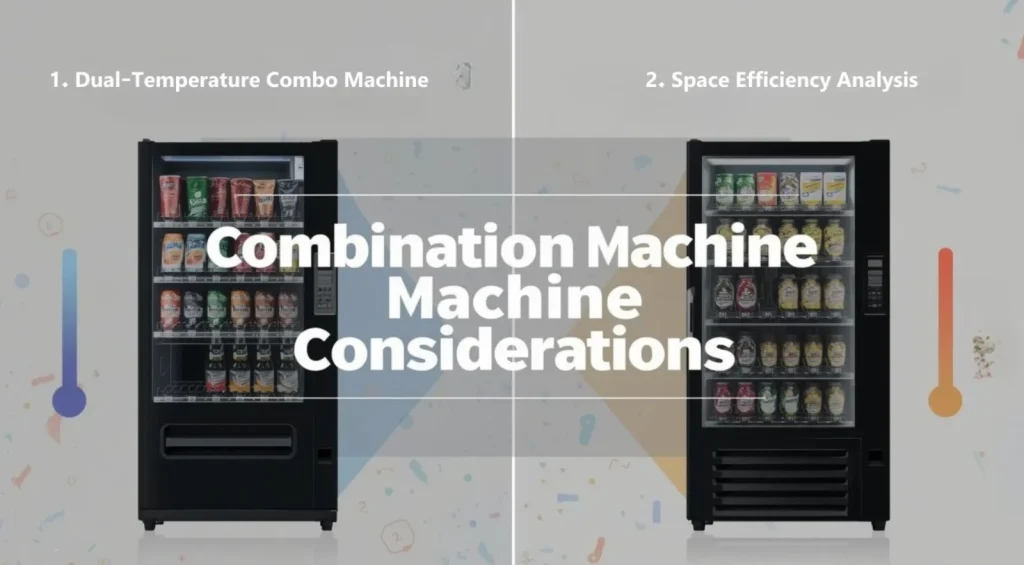
Combination vending machines integrate snacks and beverages in unified equipment. Understanding combo machine dimensions and considerations guides appropriate selections.
Dual-Temperature Combo Machines Combination machines typically measure 183-213cm height, 122-152cm width, and 86-97cm depth. These substantial dimensions reflect dual-product accommodation. Weight ranges 450-635kg exceeding individual snack or beverage machines substantially. Consequently, structural considerations prove critical.
Side-by-side configurations position snack and beverage sections horizontally. These wide designs suit locations with width availability though limited depths. Conversely, stacked configurations place sections vertically maintaining standard widths though requiring adequate heights. Therefore, available space dimensions guide configuration selection.
Capacity advantages prove significant in combination designs. Combo machines typically accommodate 500-1000+ total items across 40-60 selections. This comprehensive inventory eliminates separate machine requirements. Additionally, unified installations simplify placement, reduce electrical requirements, and streamline maintenance.
Space Efficiency Analysis
Single combination machines consume less total floor space than separate units. Two individual machines require 1.8-2.0 square meters while combination alternatives need 1.2-1.5 square meters. This 25-35% reduction proves valuable in space-constrained environments.
However, flexibility limitations prove inherent in combination designs. Product mix adjustments prove restricted compared to separate machines enabling independent selection changes. Additionally, equipment failures affect all product categories rather than single types. Therefore, reliability proves more critical in combination installations.
Exploring our collection demonstrates diverse vending machine sizes and configurations addressing varying space availability and capacity requirements.
Micro Market Space Requirements
Micro market vending machines represent comprehensive automated retail solutions requiring substantial space allocations. Understanding micro market dimensions guides feasibility assessment for advanced vending implementations.
Open Shelving and Cooler Dimensions Micro market shelving units typically measure 183-213cm height, 91-122cm width, and 46-61cm depth. Multiple units create comprehensive product displays. Total installations commonly occupy 6-15 square meters depending on desired capacity and product variety.
Refrigeration units in micro markets measure 183-213cm height, 76-122cm width, and 71-86cm depth. These substantial coolers accommodate fresh foods, beverages, and temperature-sensitive products. Weight ranges 180-360kg requiring adequate floor support and electrical capacity.
Kiosk checkout systems measure 107-137cm height, 46-61cm width, and 46-61cm depth. These self-service payment stations enable unattended operations. Additionally, optional seating areas add 2-6 square meters creating complete break room environments. Therefore, micro markets require substantially more space than traditional vending though providing superior capacity and variety.
Traffic Flow and Layout
Micro market designs require careful traffic flow planning. Entrance/exit pathways, shopping circulation routes, and checkout queuing areas need adequate spacing. Minimum 91-122cm aisle widths enable comfortable navigation and wheelchair accessibility. Additionally, checkout areas require 122-183cm clearances accommodating users and potential queues.
Surveillance and security systems prove standard in micro markets. Camera positioning, monitoring equipment, and emergency contact systems occupy minimal space though requiring planning. Additionally, adequate lighting throughout markets ensures visibility and security.
Delivery and Installation Logistics
Understanding delivery constraints prevents installation problems. Comprehensive logistics planning ensures successful equipment placement without damage or excessive costs.
Access Route Assessment Doorway dimensions prove critical for delivery feasibility. Standard 81cm commercial doorways accommodate most machines when tilted or oriented appropriately. However, combination machines or oversized equipment may require 91-102cm openings. Additionally, door frame depths, threshold heights, and door swing clearances affect passage.
Hallway and corridor dimensions must accommodate equipment maneuvering. Straight hallways require widths exceeding machine widths by 15-30cm enabling passage. Corner turns prove more challenging requiring adequate radius clearances. Standard 91cm hallways accommodate most machines though combination units may require wider passages.
Elevator capacities and dimensions restrict multi-floor installations. Standard commercial elevators measure 183-213cm depths and 137-168cm widths. Most individual machines fit though weight limits require verification. Additionally, elevator door widths typically measure 91-122cm enabling passage. Therefore, elevator specifications critically affect upper-floor installations.
Stairway and Restricted Access
Buildings lacking elevators or adequate elevator access require stairway delivery. Standard stairways measuring 102-122cm widths accommodate many machines. However, steep stairs, tight landings, and low overhead clearances complicate deliveries substantially. Additionally, equipment weight creates safety concerns during manual stairway navigation.
Professional installation services prove essential for challenging deliveries. Experienced technicians possess equipment and expertise managing difficult installations safely. Additionally, insurance coverage protects against delivery-related damages. Therefore, professional installation justifies costs through reduced risks.
Alternative delivery methods including crane lifts or window removals address extremely restricted access. These specialized approaches prove expensive though enabling installations otherwise impossible. However, such measures justify costs when vending proves essential despite access challenges.
Electrical and Utility Requirements
Vending machines require adequate electrical service and occasional plumbing connections. Understanding utility requirements prevents installation problems and ensures code compliance.
Electrical Specifications Standard vending machines require dedicated 120V, 15-20 amp circuits. Refrigerated equipment draws higher currents necessitating 20-amp service. Additionally, machines should connect to dedicated circuits preventing overloads from shared electrical loads.
Power consumption varies substantially by machine type. Non-refrigerated snack machines draw 200-400 watts. Refrigerated beverage machines consume 400-800 watts continuously. Combination machines and micro market coolers range 800-1500+ watts. Therefore, electrical capacity assessment proves essential during planning.
Energy-efficient models reduce operational costs substantially. LED lighting, improved insulation, and smart power management decrease consumption 20-40% compared to older equipment. Additionally, Energy Star certified machines demonstrate superior efficiency. Consequently, equipment efficiency significantly affects long-term operational expenses.
Plumbing Connections
Coffee and specialized beverage machines may require water connections. Standard 1/2″ water lines with shutoff valves provide necessary supply. Additionally, drain connections accommodate waste water disposal. However, most snack and beverage vending machines operate without plumbing.
Water quality affects equipment longevity and beverage taste. Filtration systems remove impurities preventing mineral buildup and improving product quality. Additionally, regular filter replacement maintains system performance. Therefore, water-connected machines require ongoing maintenance beyond standard vending equipment.
Understanding service area coverage ensures access to professional installation services addressing electrical, plumbing, and placement requirements across Texas locations.
Site Assessment and Planning
Comprehensive site evaluation prevents installation problems and ensures optimal vending placements. Systematic assessment addresses multiple critical factors.
Physical Space Evaluation Accurate measurements prove essential. Document ceiling heights, floor space dimensions, doorway widths, and corridor clearances. Additionally, note obstacles including columns, furniture, and permanently installed fixtures. Photographs supplement measurements providing visual references during planning.
Floor load capacity requires verification particularly for heavy combination machines or micro markets. Standard commercial floors support 240-290 kg/m² proving adequate for most installations. However, older buildings or residential structures may require reinforcement. Therefore, structural assessment proves prudent for heavy equipment.
Climate control affects equipment performance and user comfort. Adequate heating, ventilation, and air conditioning maintain appropriate temperatures. Additionally, humidity control prevents condensation on cold machine surfaces. Extreme temperatures prove particularly problematic for refrigerated equipment.
User Traffic Analysis
Understanding traffic patterns guides optimal placements. High-visibility, high-traffic areas maximize awareness and convenience. Break rooms, cafeterias, building entrances, and common areas prove ideal. Additionally, proximity to work areas reduces access time encouraging utilization.
Peak usage periods affect capacity requirements. Locations experiencing concentrated demand during breaks need higher capacities than those with steady usage throughout days. Additionally, product mix should reflect timing preferences including morning beverages versus afternoon snacks.
Selection Decision Framework
Systematic vending machine size selection prevents common mistakes. Following structured approaches ensures appropriate equipment matching specific requirements.
Requirements Definition Define user population size and demographics. Larger populations require higher capacities. Additionally, user preferences including product types and healthy options affect selections. Furthermore, dietary restrictions and cultural considerations influence appropriate inventories.
Establish space constraints including available floor area, clearances, and access restrictions. Realistic space assessment prevents selecting oversized equipment. Additionally, consider future flexibility including potential relocations or capacity expansions.
Determine budget parameters including capital investments and ongoing operational costs. Equipment size significantly affects pricing. Additionally, energy efficiency impacts long-term expenses. Therefore, comprehensive cost analysis guides appropriate selections.
Evaluation and Comparison
Compare specific equipment models against defined requirements. Verify dimensions fit available spaces with adequate clearances. Additionally, confirm capacities meet projected demands. Manufacturer specifications provide detailed information enabling informed comparisons.
Consider operational factors including restocking frequency, maintenance requirements, and user accessibility. Larger machines require less frequent restocking though demanding more space. Conversely, compact alternatives need frequent attention though fitting challenging locations.
Professional consultation proves valuable for complex installations. Experienced vending operators understand equipment capabilities and installation challenges. Additionally, operators provide realistic assessments preventing unrealistic expectations. Therefore, leveraging professional expertise improves decision quality.
Learning about us reveals our expertise guiding appropriate vending machine size selections ensuring successful installations across diverse Texas environments.
Conclusion
Comprehensive vending machine size understanding proves essential for successful installations across diverse environments. Standard full-size machines measuring 183-213cm height, 91-122cm width, and 81-97cm depth suit most applications though requiring adequate space allocation and clearances. Compact alternatives including countertop units, wall-mounted systems, and slim-profile machines address space-constrained locations accepting modest capacity reductions.
Combination machines and micro markets provide comprehensive solutions though requiring substantial space investments. Careful site assessment addressing physical dimensions, structural capacity, electrical service, and user traffic patterns prevents installation problems. Additionally, accessibility compliance, operational clearances, and delivery logistics critically affect practical implementations.
Whether implementing traditional vending machines, advanced micro markets, or specialized compact solutions, systematic size evaluation ensures appropriate selections balancing capacity requirements against spatial constraints. Partnering with experienced providers including Texas PMK Vending Hub ensures professional guidance, accurate site assessment, and successful installations delivering optimal automated retail solutions matching specific location characteristics throughout comprehensive service areas across Texas supporting diverse organizational needs through appropriately sized, professionally installed vending equipment.
Frequently Asked Questions
Q1: What is the standard vending machine size?
Standard full-size vending machines measure approximately 183-213cm height, 91-102cm width, and 81-91cm depth, weighing 270-360kg, dimensions vary slightly by manufacturer and model type.
Q2: How much space do you need around a vending machine?
Minimum 76cm x 122cm clear floor space required in front for ADA compliance, additionally, 7-15cm side/rear clearances needed for ventilation and 91-122cm for restocking access.
Q3: Can vending machines fit through standard doorways?
Most vending machines fit through standard 81-91cm commercial doorways when tilted appropriately, however, combination machines or narrow doorways may require 91-102cm openings.
Q4: What size vending machine is best for small spaces?
Countertop units (51-81cm height) or slim-profile machines (71cm depth) suit space-constrained locations, these accommodate 50-400 items depending on specific model and configuration.
Q5: How much does a full-size vending machine weigh?
Full-size snack machines weigh 270-360kg, beverage machines 295-385kg, and combination units 450-635kg, weight affects floor load requirements, delivery complexity, and installation methods.