

Introduction
If you’re planning to start or expand a vending machine business, choosing the right machine is the first big decision. The vending industry is evolving fast, and what worked five years ago doesn’t always work today. Understanding the different types of vending machines helps you decide what to sell, where to place your machines, and how to maximize profit.
In this guide, we’ll break down the main types of vending machines, their pros and cons, best-performing locations, and how to choose the one that fits your business goals. Whether you’re starting small or scaling into a full vending route, understanding the machine types will help you make smarter, more profitable decisions.
Types of Vending Machines
Different locations need different vending solutions. Whether you’re planning to serve busy offices, schools, or fitness centers, choosing the right type of machine can make all the difference in your vending success.
1. Beverage Vending Machines
Cold beverage vending machines remain one of the most reliable and consistent earners in the vending industry. Designed to serve bottled water, sodas, juices, energy drinks, and flavored beverages, they cater to virtually every demographic, from office workers to students and travelers. These machines offer quick access to chilled drinks, making them an ideal choice for both indoor and outdoor high-traffic locations.
Why They Work
Cold drinks are an impulse purchase and a daily necessity. Whether it’s hydration after a workout, refreshment during travel, or a quick break at work, beverage vending machines meet instant demand throughout the day. Their wide product variety and strong year-round sales make them one of the most stable revenue sources in the vending business.
Pros:
- Steady year-round demand
- Broad product range with flexible pricing
- Excellent ROI in warm or high-traffic locations
Cons
- Needs consistent temperature control and power supply
- Stocking beverages can be heavy and frequent
- Lower margins on budget drinks without an upselling strategy
Texas PMK Vending Hub helps you expand options with combo setups and smart product rotation strategies to maximize every machine’s potential. Also, we help you stock top-selling beverages to refresh your customers year-round.
2. Snack Vending Machines
Snack machines are perfect for satisfying quick cravings. Stocked with chips, cookies, nuts, and snack bars, they work best in offices, schools, and transportation hubs.
Why They Work
Quick snacks drive impulse purchases. With the right mix of sweet, salty, and healthy options, you can cater to a wide audience throughout the day.
Pros:
- Strong impulse sales
- Easy to manage and refill
- Works well in both large and small spaces
Cons:
- Limited appeal without drink options
If you want to offer both snacks and drinks in one compact solution, combo vending machines are the best choice. They save space and are perfect for smaller offices or mixed-use locations where customers want variety without needing multiple machines. Texas PMK Vending Hub provides combo vending solutions and product analytics to identify what sells best in each location.
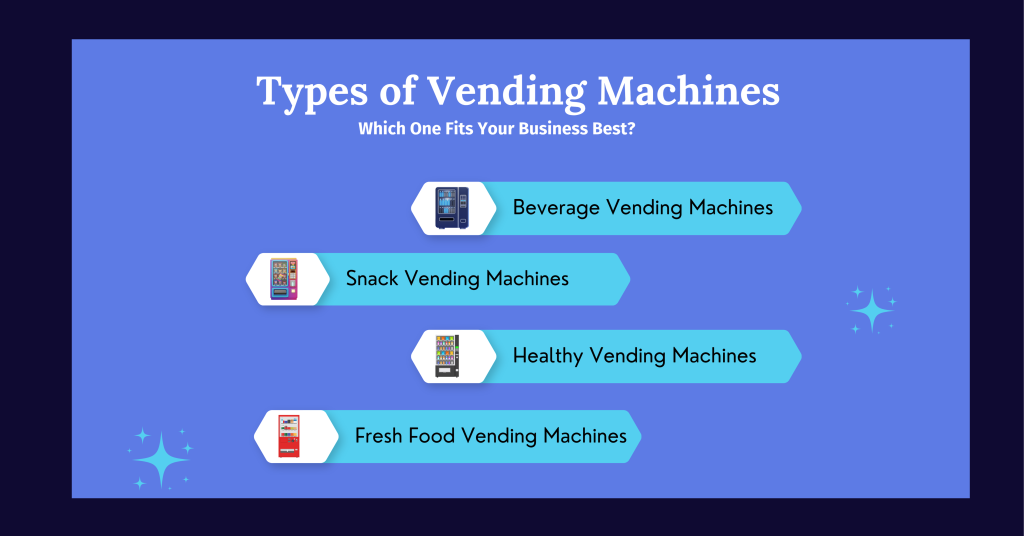
3. Healthy Vending Machines
As wellness trends rise, healthy vending machines are becoming a popular choice for modern workplaces, gyms, and universities. They stock items like protein snacks, nuts, smoothies, and low-sugar options.
Why They Work
Health-conscious customers are willing to pay a premium for better snack choices, especially in active or professional environments.
Pros:
- Meets growing demand for nutritious products
- Positive brand image for business owners
- Perfect for gyms, hospitals, and schools
Cons:
- Requires more careful product sourcing and freshness management
Texas PMK Vending Hub supports you with custom health-focused product lists and local sourcing solutions to keep your machine stocked with fresh, high-quality items.
4. Fresh Food Vending Machines
These advanced machines are designed for locations that need fresh meals and snacks, such as sandwiches, pastries, fruits, and salads. Common in hospitals, universities, and large offices, they keep food fresh with built-in refrigeration systems.
Why They Work
They bring convenience to busy professionals and students who want quick, fresh meals without waiting in line.
Pros:
- High ticket value per sale
- Ideal for 24/7 locations
- Supports healthy and fresh options
Cons:
- Higher maintenance and cooling costs
Texas PMK Vending Hub assists with machine setup, temperature management, and regular servicing so your products stay safe and appealing.
At Texas PMK Vending Hub, we help you choose, install, and manage the perfect vending machines for your target audience. From snacks and drinks to healthy or specialty products, our modern, cashless, and smart solutions make vending simple and profitable. Explore our full collection here.
How to Choose the Right Vending Machine for Your Business
Choosing the right vending machine isn’t a one-size-fits-all decision. The type of machine you invest in determines your startup cost, maintenance routine, and long-term profitability. Whether you’re setting up your first unit or expanding your vending network, here’s a complete guide to selecting the perfect machine for your business goals.
1. Analyze Your Location and Target Customers
Your vending machine’s success depends on where it’s placed and who uses it. Before buying, take time to evaluate your audience and surroundings.
a. Demographics
Each location attracts a different type of consumer, and your product mix should reflect that.
- Schools and campuses: Students prefer affordable snacks, cold drinks, and energy beverages.
- Hospitals and clinics: Health-conscious users respond better to water, low-sugar snacks, and coffee options.
- Airports and hotels: Travelers look for convenience items like toiletries, bottled drinks, and tech accessories.
- Corporate offices: Employees value quick snacks, coffee, and combo machines that save time.
b. Traffic Flow
Foot traffic determines both your inventory volume and machine type.
- High-traffic zones (like malls, stations, and gyms) perform best with full-size snack or drink machines.
- Medium-traffic areas (like offices or schools) often benefit from combo vending machines offering multiple product types.
- Low-traffic spots work better with compact or specialty units that require fewer refills.
c. Environment
If your vending location is outdoors or semi-covered, opt for weather-resistant machines built with temperature control and sealed components. This prevents spoilage and extends the lifespan of your unit.
2. Consider Product and Inventory Management
Your vending business revolves around what you sell. Define your product focus and choose a machine that supports it efficiently.
a. Product Type
Match your products to your target customers.
- Snack vending machines: Chips, nuts, protein bars, cookies.
- Drink machines: Water, soda, energy drinks, juices.
- Fresh food machines: Sandwiches, salads, meal kits.
- Specialty vending: PPE, cosmetics, stationery, or tech accessories.
b. Machine Flexibility
Modern vending machines now offer adjustable trays, spiral configurations, and modular storage, allowing you to mix product types without buying new units. If you’re new to vending, combo machines are a smart choice; they help test what sells best at your chosen location.
c. Inventory Tracking
Efficient vending means data-driven management. Choose machines that offer real-time inventory monitoring so you can track stock levels remotely and reduce wasted trips.
3. Evaluate Payment and Technology Features
The vending industry is going digital, and cashless convenience is now the standard.
a. Cashless Payment Systems
Include multiple payment options to maximize customer convenience:
- Credit and debit cards
- Mobile wallets (Apple Pay, Google Pay, Samsung Pay)
- QR codes and contactless NFC payments
Research shows that cashless-enabled vending machines increase sales by 20–30%, especially in workplaces and public areas.
b. Smart Technology Integration
Choose machines with IoT or AI-powered software that can:
- Monitor sales performance
- Send restock alerts
- Identify slow-moving products
- Generate reports for profit tracking
These systems simplify management, especially when operating multiple machines across different routes.
4. Check Compliance, Safety, and Maintenance Needs
Vending success isn’t only about sales; it’s also about reliability, hygiene, and accessibility.
a. ADA Compliance
If your machine will be placed in a public area, it must meet ADA (Americans with Disabilities Act) requirements. This typically includes:
- Accessible control panels and payment systems
- Braille or tactile buttons
- Proper height for wheelchair access
b. Ease of Cleaning and Maintenance
Machines with easy-access doors, removable trays, and clear interior layouts save time during restocks. For refrigerated units, regular servicing ensures consistent temperature and food safety.
c. Vendor Support and Warranty
Always confirm the availability of spare parts and after-sales support. A strong warranty and service plan can protect your investment and reduce downtime.
Quick Decision Checklist
When deciding how to choose the right vending machine for your business, focus on key factors that directly affect performance and profit. The table below gives a quick overview of what to evaluate, from location type and customer demand to payment options, technology, and compliance. Each factor helps you align the machine with your audience, improve efficiency, and boost long-term sales.
Key Factor | What to Evaluate | Why It Matters |
Location | Audience type, traffic, and environment | Helps match the machine to user demand |
Product Type | Snacks, drinks, or niche items | Defines machine design and capacity |
Payment Options | Cashless, contactless, mobile | Increases accessibility and sales volume |
Technology | Remote monitoring, AI insights | Optimizes routes and stock efficiency |
Compliance | ADA and safety standards | Ensures public accessibility and reliability |
Final Thought
The right types of vending machines balance profitability, convenience, and technology. As noted in the U.S. vending machine industry market report, operators who invest in modern, cashless machines typically see stronger profit margins and repeat usage.
If you’re still unsure, start with a combo vending machine; it’s the most flexible, beginner-friendly option to test multiple product types and understand your customers’ habits before scaling.